How To Clean Pennies to a Sparkle
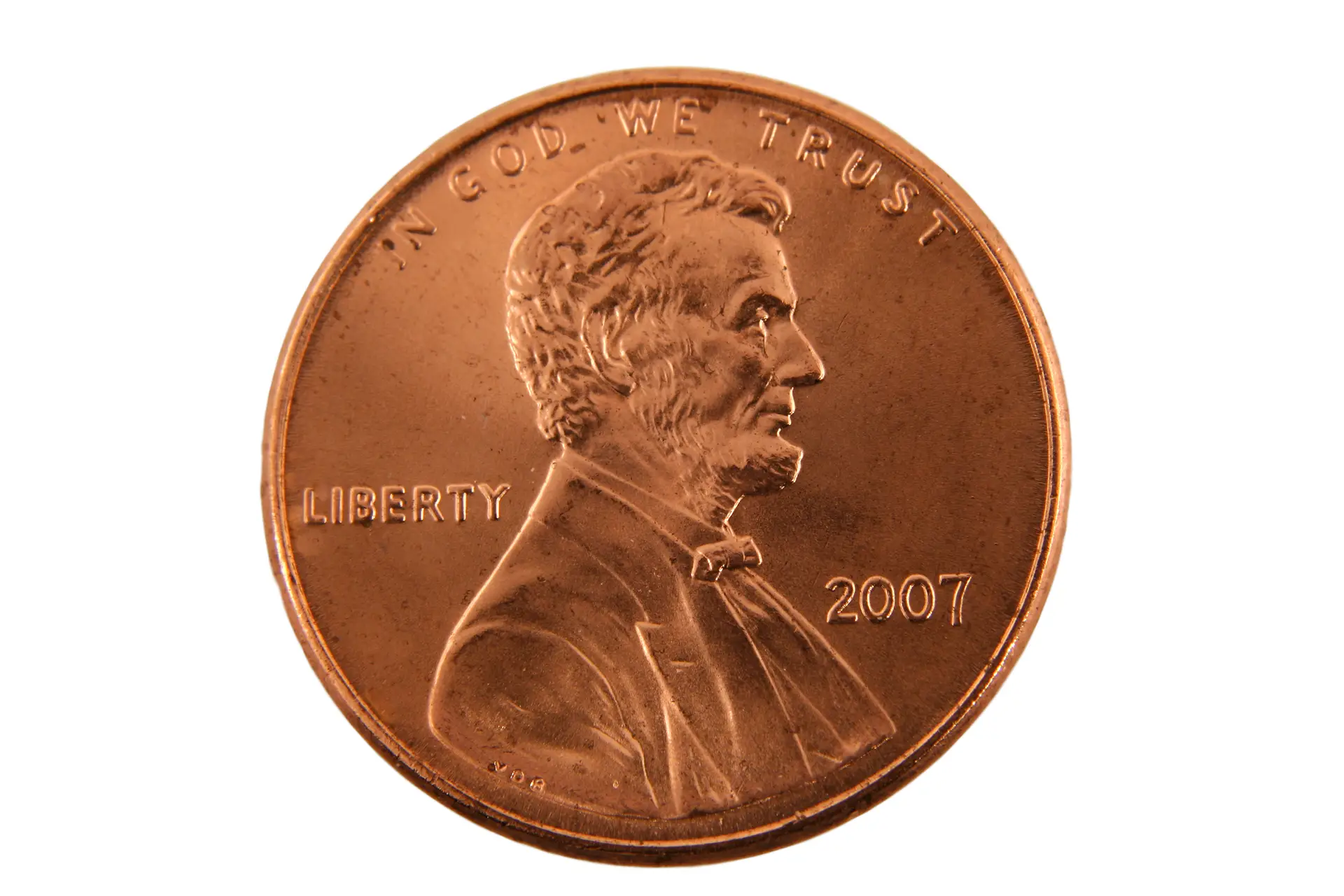
Pennies are a common form of currency that many people come across on a daily basis. While they may seem insignificant, there is a certain charm to a shiny, sparkling penny. Sparkling pennies are those that have been cleaned and polished to restore their original luster. This process not only enhances their appearance but also has the potential to increase their value and preserve their condition. In this article, we will explore the science behind the power of cleanliness for pennies, the benefits of keeping them clean and shiny, effective methods for cleaning pennies at home, the role of cleaning agents in maintaining their shine, common mistakes to avoid, the history and cultural significance of shiny pennies, creative ways to display and use them, and finally, the impact of cleanliness on their value and preservation.
The science behind the power of cleanliness
Dirt and grime can have a significant impact on the appearance and value of pennies. Over time, pennies can become tarnished and dull due to exposure to air and various environmental factors. This tarnish is caused by a chemical reaction between the copper in the penny and oxygen in the air. The dirt and grime that accumulate on the surface of the penny can further exacerbate this process, making the penny appear even more dull and dirty.
When pennies are cleaned, a chemical reaction occurs that removes the tarnish and restores their original shine. One common method for cleaning pennies involves using an acid-based solution such as vinegar or lemon juice. The acid reacts with the tarnish on the surface of the penny, dissolving it and revealing the shiny copper underneath. This process is known as oxidation-reduction or redox reaction.
The benefits of keeping pennies clean and shiny
There are several benefits to keeping pennies clean and shiny. Firstly, clean pennies have the potential to increase in value. Collectors and investors often prefer coins that are in pristine condition, as they are more desirable and can fetch a higher price in the market. By keeping your pennies clean, you are preserving their condition and potentially increasing their value.
Secondly, clean pennies have an aesthetic appeal. There is something visually pleasing about a shiny, sparkling penny. It catches the light and draws attention, making it stand out among other coins. Whether you are a collector or simply someone who appreciates the beauty of coins, having clean pennies in your collection can enhance its overall appearance.
How to clean pennies effectively at home
| Method | Materials | Time Required | Effectiveness |
|---|---|---|---|
| Vinegar and Salt | White vinegar, table salt, bowl | 10-15 minutes | Effective |
| Lemon Juice and Baking Soda | Lemon juice, baking soda, bowl | 10-15 minutes | Effective |
| Ketchup | Ketchup, bowl | 5-10 minutes | Effective |
| Toothpaste | Toothpaste, bowl | 5-10 minutes | Effective |
| Baking Soda and Water | Baking soda, water, bowl | 10-15 minutes | Effective |
Cleaning pennies at home can be a simple and cost-effective process. Here is a step-by-step guide to cleaning pennies using household items:
1. Gather your supplies: You will need a bowl or container, vinegar or lemon juice, salt, and a soft cloth or toothbrush.
2. Fill the bowl or container with enough vinegar or lemon juice to fully submerge the pennies.
3. Add a teaspoon of salt to the vinegar or lemon juice and stir until it dissolves.
4. Place the pennies in the solution and let them soak for 5-10 minutes.
5. After soaking, remove the pennies from the solution and gently scrub them with a soft cloth or toothbrush to remove any remaining dirt or grime.
6. Rinse the pennies with water to remove any residue from the cleaning solution.
7. Dry the pennies thoroughly with a soft cloth.
Tips for achieving the best results:
– Use distilled white vinegar or fresh lemon juice for best results.
– Avoid using abrasive materials such as steel wool, as they can scratch the surface of the penny.
– If the pennies are heavily tarnished, you may need to repeat the cleaning process multiple times.
– Handle the pennies with care to avoid leaving fingerprints or smudges on the surface.
↓ The following methods in the video below may also be used; however, the contributor advises that some methods may cause scratches ↓
The role of cleaning agents in maintaining penny shine
There are various cleaning agents that can be used to maintain the shine of pennies. Some common options include vinegar, lemon juice, ketchup, and commercial cleaning products specifically designed for coins. Each of these cleaning agents has its own effectiveness and pros and cons.
Vinegar and lemon juice are popular choices for cleaning pennies due to their acidic properties. The acid in these substances reacts with the tarnish on the surface of the penny, dissolving it and revealing the shiny copper underneath. These household items are readily available and cost-effective, making them a convenient option for cleaning pennies at home.
Ketchup is another surprising but effective cleaning agent for pennies. The acidity in ketchup can help remove tarnish and restore the shine of pennies. Simply apply a small amount of ketchup to the surface of the penny, let it sit for a few minutes, then rinse it off with water and dry thoroughly.
Commercial cleaning products specifically designed for coins are also available on the market. These products often contain chemicals that are specifically formulated to remove tarnish and restore shine without damaging the coin. However, they can be more expensive than household items and may not be as readily available.
Common mistakes to avoid when cleaning pennies
While cleaning pennies can be a relatively simple process, there are some common mistakes that should be avoided to prevent damage to the coins:
1. Using abrasive materials: Scrubbing pennies with abrasive materials such as steel wool or harsh brushes can scratch the surface of the coin, causing permanent damage.
2. Using harsh chemicals: Avoid using harsh chemicals such as bleach or ammonia to clean pennies, as they can corrode the surface of the coin and cause irreversible damage.
3. Over-cleaning: Cleaning pennies too frequently or for extended periods of time can wear down the surface of the coin and diminish its value. It is best to clean pennies only when necessary and to follow the recommended cleaning methods.
4. Not drying properly: After cleaning pennies, it is important to dry them thoroughly to prevent water spots or residue from forming on the surface. Use a soft cloth to gently dry the pennies and ensure they are completely dry before storing or displaying them.
The history and cultural significance of shiny pennies
Pennies have a rich history and cultural significance that extends beyond their monetary value. The first pennies were minted in England in the 8th century and were made of silver. Over time, the composition of pennies changed, with copper becoming the primary metal used. The United States began minting its own pennies in 1793, and they have since become an iconic symbol of American currency.
Shiny pennies have been used in art and literature to symbolize various themes and ideas. In literature, pennies are often associated with luck or good fortune. The phrase “a penny for your thoughts” is commonly used to invite someone to share their thoughts or opinions. In art, pennies have been used as a medium for creating intricate mosaics or sculptures. The reflective surface of shiny pennies adds depth and dimension to these artworks.
Creative ways to display and use sparkling pennies
Shiny pennies can be used in a variety of creative ways, whether you are a collector looking for unique ways to display your collection or someone who enjoys DIY projects. Here are some ideas:
1. Penny mosaic: Create a mosaic using shiny pennies as the tiles. Arrange the pennies in a pattern or design of your choice and secure them with adhesive or grout.
2. Penny jewelry: Use shiny pennies to create unique pieces of jewelry such as earrings, necklaces, or bracelets. You can drill holes in the pennies and string them together or attach them to metal findings.
3. Penny art: Use shiny pennies as a medium for creating artwork. Arrange the pennies on a canvas or other surface to create a design or image. You can also use pennies to add texture and dimension to paintings or mixed media pieces.
4. Penny flooring: Create a unique and eye-catching floor by using shiny pennies as tiles. This can be a labor-intensive project, but the end result is a stunning and one-of-a-kind floor.
5. Penny vase: Create a decorative vase by gluing shiny pennies to the surface of a glass or ceramic container. This can be a fun and inexpensive way to add a touch of sparkle to your home decor.
The impact of cleanliness on penny value and preservation
The cleanliness of pennies can have a significant impact on their value and preservation, particularly for collectors and investors. Clean, shiny pennies are generally more desirable and can fetch a higher price in the market. Collectors often look for coins that are in pristine condition, as they are considered to be more valuable and rare.
In addition to their value, cleanliness also plays a role in preserving the condition of pennies. Tarnish and dirt can corrode the surface of the coin over time, causing irreversible damage. By keeping pennies clean and free from dirt and grime, you are protecting them from potential harm and ensuring their longevity.
Conclusion and final thoughts on the power of cleanliness for pennies
In conclusion, the power of cleanliness for pennies cannot be underestimated. Sparkling pennies not only have an aesthetic appeal but also have the potential to increase in value and preserve their condition. By understanding the science behind the power of cleanliness, learning effective methods for cleaning pennies at home, avoiding common mistakes, and exploring creative ways to display and use shiny pennies, you can enhance your appreciation for these small but significant pieces of currency. Whether you are a collector, investor, or simply someone who appreciates the beauty of coins, keeping pennies clean and shiny is a worthwhile endeavor.